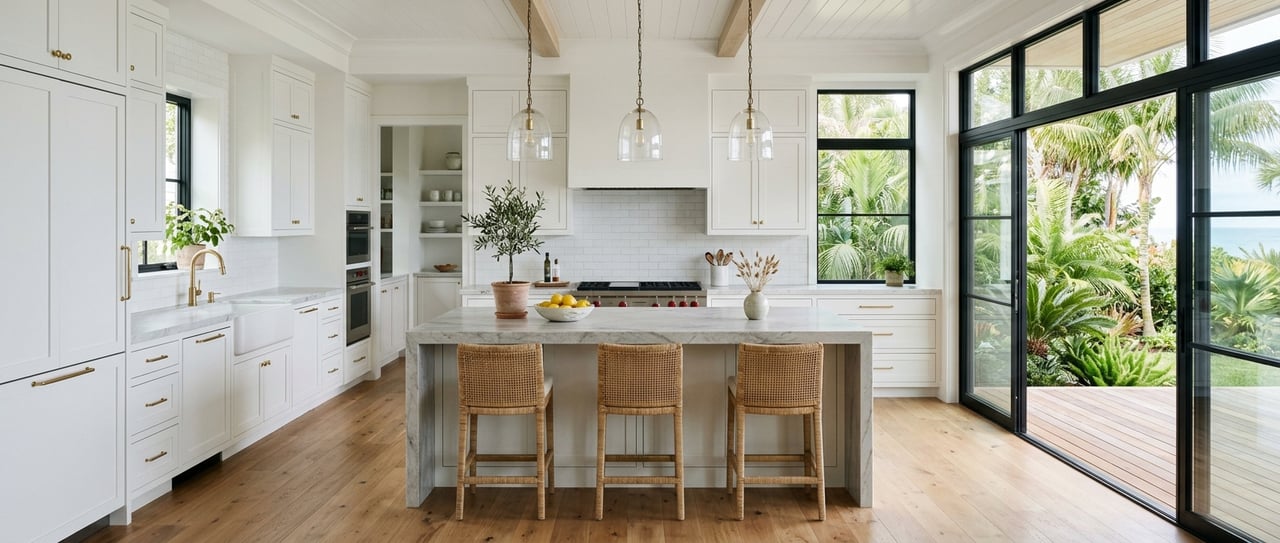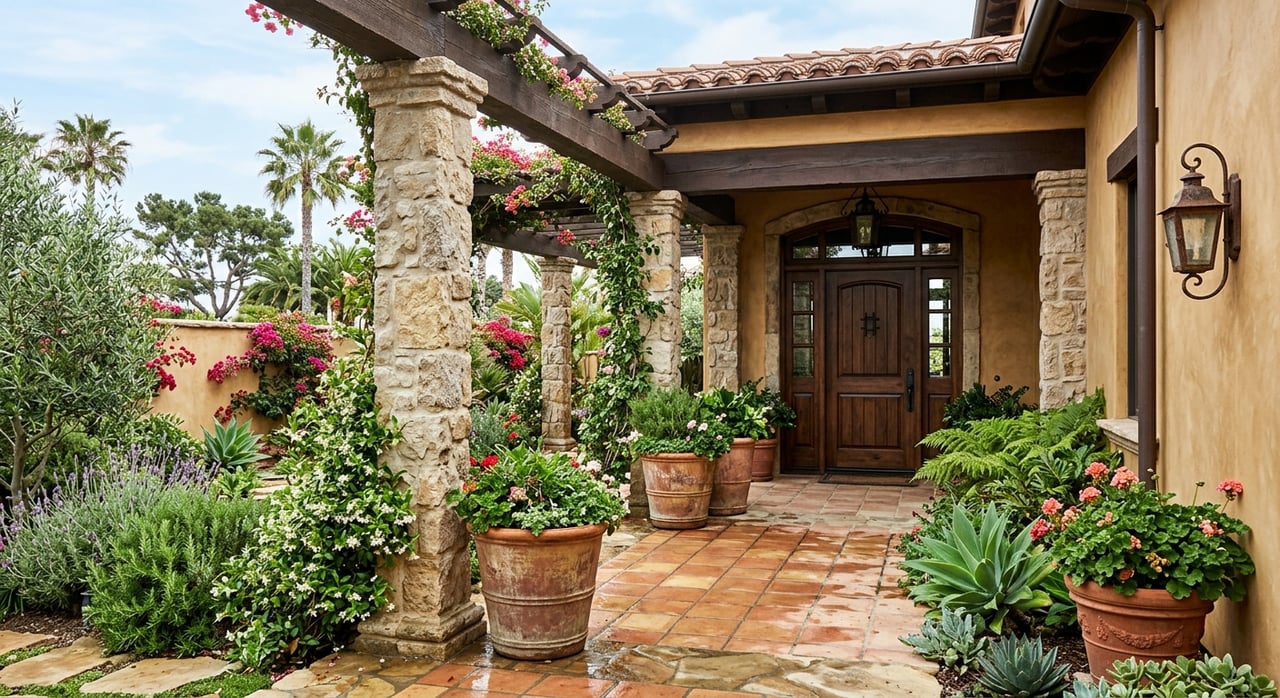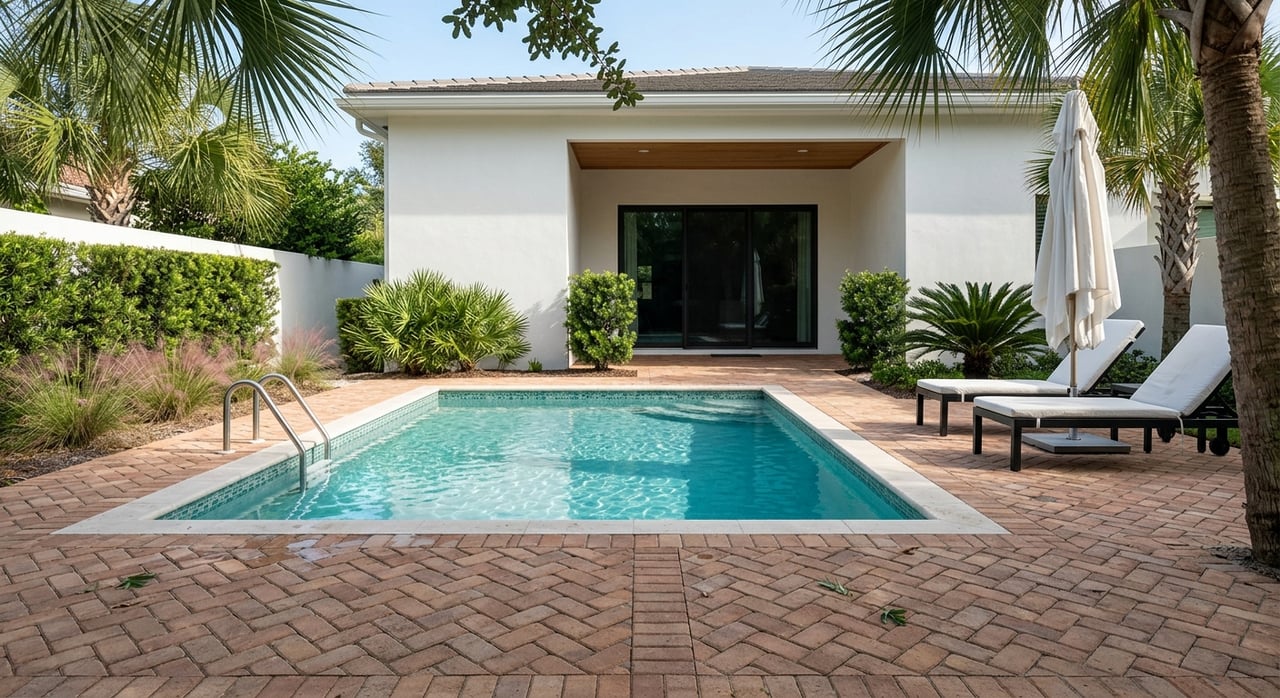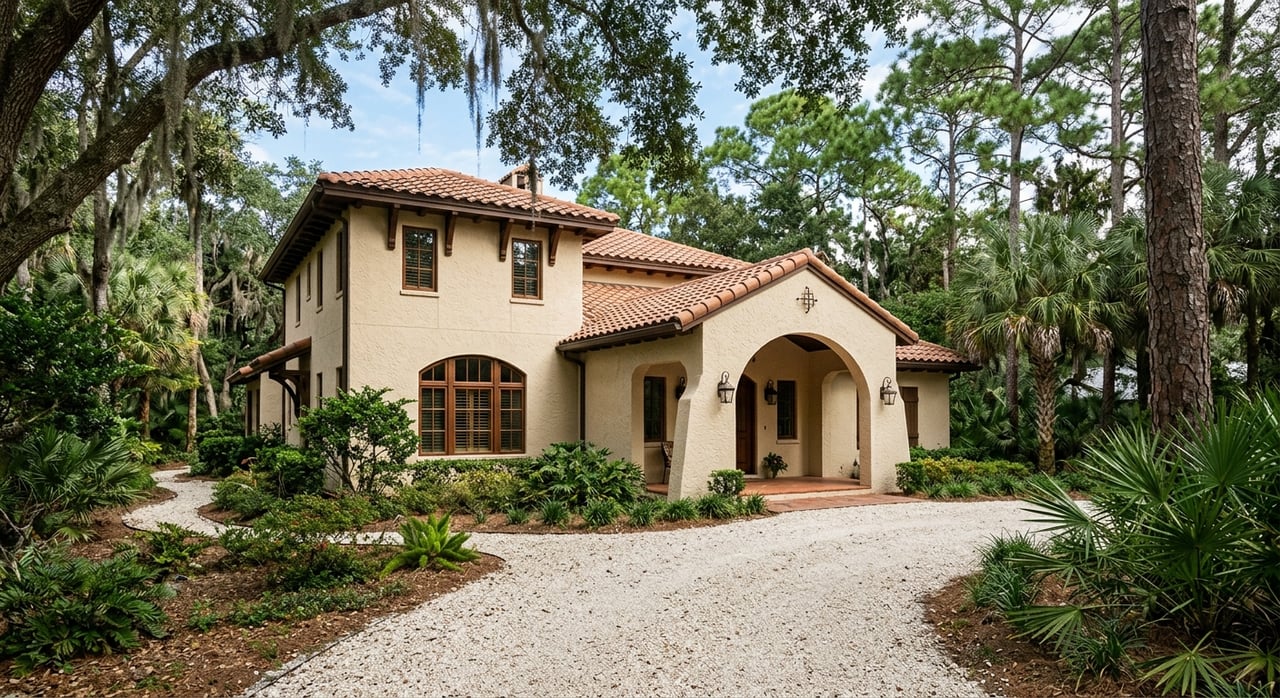
Wondering why two homes in Freeport can feel completely different, even when they are only a short drive apart? That is one of the most important things to understand before you buy here. Freeport offers a mix of planned neighborhoods, water-influenced homes, larger-lot rural properties, and undeveloped land, and each one comes with different rules, costs, and day-to-day tradeoffs. If you know what to look for early, you can narrow your search with more confidence. Let’s dive in.
Why Freeport property types vary
One of the biggest reasons Freeport has such a wide housing mix is that property rules can change based on whether a parcel sits inside the City of Freeport or in unincorporated Walton County. That difference can affect future land use, development options, clearing requirements, flood review, and utility planning.
Walton County’s public mapping tools let you check parcels, future land use, wetlands, flood zones, beach mouse tiers, and elevation contours. Freeport’s planning documents also show that development is expected to match available infrastructure and protect natural resources. In simple terms, the location of a parcel on a map can matter just as much as the home itself.
Main Freeport home styles
Freeport is not one single housing product. Most buyers will come across four broad property types as they search, and each one fits a different budget, maintenance level, and ownership style.
Master-planned neighborhoods
If you want a more organized neighborhood setting, this is often the easiest place to start. In Freeport, planned development areas may include clustered homes, open space, parks, conservation areas, and public uses.
The city’s Special Development District is designed for low-density residential development and requires sewer service with off-site disposal in its larger-project rules. It also includes a minimum lot size of one-quarter acre in those larger-project standards, which helps shape the feel of some newer neighborhood development.
Hammock Bay is one of the clearest local examples. It describes itself as a 3,000-acre master-planned community, and its community development district levies both operations assessments and debt-service assessments.
For you as a buyer, that usually means a more structured neighborhood environment, but also more recurring costs to review. Along with your mortgage, taxes, and insurance, you may need to budget for CDD-related charges and any other community fees tied to the property.
Bay-access and water-influenced homes
Homes near the bay or other sensitive water areas can offer a very different ownership experience. They may appeal to buyers who want water proximity, but they often require much more review before you make plans to build, clear, expand, or renovate.
Walton County applies stricter standards in these settings. South of Choctawhatchee Bay, land clearing requires a building permit or development order first, and protected areas include coastal dune lake protection zones, a 25-foot wetland buffer, and a 50-foot buffer from the mean high-water line of the bay and its bayous or tributaries.
Flood review also matters. In special flood hazard areas, Walton County requires a development order before development and a building permit before construction, with elevation rules in AE and VE zones.
That does not mean these homes are off-limits. It simply means you should expect more diligence around site design, flood considerations, buffers, and overall project planning than you would with a more typical inland lot.
Rural homes on larger lots
If your ideal property includes more land and a less neighborhood-oriented setting, Freeport also offers rural-feel options. These homes often appeal to buyers who value privacy, open space, and a more self-managed ownership experience.
Inside the City of Freeport, future land use categories include General Agriculture at 1 dwelling unit per 10 acres, Rural Development at 1 per 2 acres, Rural Village at up to 2 per acre, and Low Density Residential at 1 to 4 units per acre. Those categories help explain why some parts of the area feel spacious and lightly developed.
In unincorporated Walton County, low-density categories include General Agriculture at 1 per 10 acres, Estate Residential at 1 per 5 acres, Rural Residential at 1 per 2.5 acres, and Conservation Residential categories that can go as low as 1 per 10 acres. The county states that Rural Residential is intended to help prevent further subdivision that could affect water quality, increase floodplain density, or change the rural character of existing areas.
For you, the tradeoff is usually clear. Larger-lot homes may offer more privacy and flexibility in how the land feels, but they can also place more responsibility on the owner for site planning, upkeep, and long-term land stewardship.
Vacant land and undeveloped parcels
Vacant land can be exciting because it offers possibility. It can also be the property type that demands the most careful review before you commit.
Walton County’s mapping tools can help you check parcel boundaries, future land use, wetlands, flood zones, beach mouse tiers, and elevation contours. The county also advises users to look up parcels by address or Parcel ID when starting that process.
Rules for clearing and development can vary depending on where the parcel sits. South of the bay, land clearing cannot begin until a permit or development order is in place. North of the bay, a land-clearing permit is still required even when a building permit is not.
Freeport’s planning documents add another layer. The city says development orders and permits should be issued only when adequate public facilities are available concurrently with the project, and it uses an Equivalent Residential Unit system for wastewater impacts.
That means the right question is not only, “How much does the lot cost?” A better question is, “Can this parcel support the use, density, access, utility service, and clearing plan I have in mind?”
How each property type affects your budget
The purchase price is only part of the story in Freeport. Different property types can shift your ownership costs in very different ways.
Planned communities often come with recurring community assessments. In Hammock Bay, for example, the CDD levies operations and debt-service assessments, so it is important to review those costs alongside your mortgage, taxes, and insurance.
Water-influenced homes can carry more design and compliance considerations. Flood-zone standards, buffer rules, and permit requirements may affect what you can do with the property and how you budget for improvements or future plans.
Larger-lot properties can move more responsibility onto you as the owner. Depending on the parcel, your ongoing focus may include site upkeep, drainage awareness, vegetation management, and a more hands-on approach to maintaining the land.
Vacant land can have the most hidden costs of all. Impact fees, public-facility checks, wastewater review, clearing permits, setbacks, flood review, and buffer restrictions can all affect the total cost to build or develop.
Questions to ask before you buy
Before you fall in love with a property type, it helps to answer a few basics first. These questions can save you time and help you compare homes and land more clearly.
- Is the parcel inside the City of Freeport or in unincorporated Walton County?
- What future land use and zoning apply to the property?
- Do wetlands, flood zones, buffers, or elevation rules affect the site?
- Are there CDD, HOA, clearing, development-order, or building-permit requirements?
- Does the parcel have the utility and infrastructure support needed for your plans?
These are practical questions, not technical extras. In Freeport, they often shape what you can build, how much flexibility you have, and what your real monthly or long-term costs may look like.
How to match the right property type to your goals
If you want a simpler, more neighborhood-oriented purchase, a master-planned community may fit best. If you are focused on land, privacy, or future building potential, a larger-lot property or vacant parcel may deserve a closer look.
If water access or water proximity is high on your list, it is smart to go in knowing that the review process may be more detailed. And if you are comparing several areas of Freeport, remember that the city-versus-county distinction can change the answer to important questions very quickly.
The good news is that Freeport offers options for many kinds of buyers. Whether you are looking for a primary home, a second home, or land with long-term potential, the key is understanding the rules and tradeoffs that come with each property type before you move forward.
When you want help sorting through those options, local guidance can make the process much clearer. The team at Michelle Thierwechter can help you compare neighborhoods, lots, and home styles across Freeport and Walton County so you can move forward with confidence.
FAQs
What are the main property types in Freeport, Florida?
- The main property types most buyers will see in Freeport are master-planned single-family neighborhoods, bay-access or water-influenced homes, rural homes on larger lots, and vacant land or undeveloped parcels.
Why does jurisdiction matter for Freeport real estate?
- Jurisdiction matters because a parcel may fall inside the City of Freeport or in unincorporated Walton County, and that can affect future land use, clearing rules, flood review, development standards, and infrastructure requirements.
What should buyers know about master-planned communities in Freeport?
- Buyers should know that planned communities may offer a more structured neighborhood setting, but they can also include recurring charges such as community development district assessments.
What should buyers know about bay-access homes in Walton County?
- Buyers should know that bay-access and other water-influenced properties may involve stricter land-clearing rules, wetland and bay buffers, flood-zone review, and elevation standards.
What should buyers know about rural properties near Freeport?
- Buyers should know that larger-lot and rural-feel properties often offer more space and privacy, but they may also require more owner involvement with land upkeep, planning, and long-term site management.
What should buyers check before buying vacant land in Freeport?
- Buyers should check whether the parcel is in the city or county, what future land use and zoning apply, whether wetlands or flood zones affect the site, and what clearing, setback, utility, and permit requirements may apply.